
¿Qué estás buscando?

El entusiasmo en torno a sistemas de fachadas solares es palpable: arquitectos y propietarios de edificios se están sumergiendo de lleno en esta innovadora forma de integrar la energía renovable en la propia estructura de la arquitectura moderna. Imagina esto: en lugar de los habituales paneles solares colocados sobre los tejados, estos elegantes paneles fotovoltaicos se adhieren a superficies verticales, transformando los laterales de los edificios en maravillas generadoras de energía. Pero espera: antes de subirte al tren de la energía solar, hay mucho que considerar. No es una solución universal; la estructura del edificio, los materiales de su fachada, la cantidad de sol que recibe y los objetivos específicos del proyecto desempeñan un papel crucial.
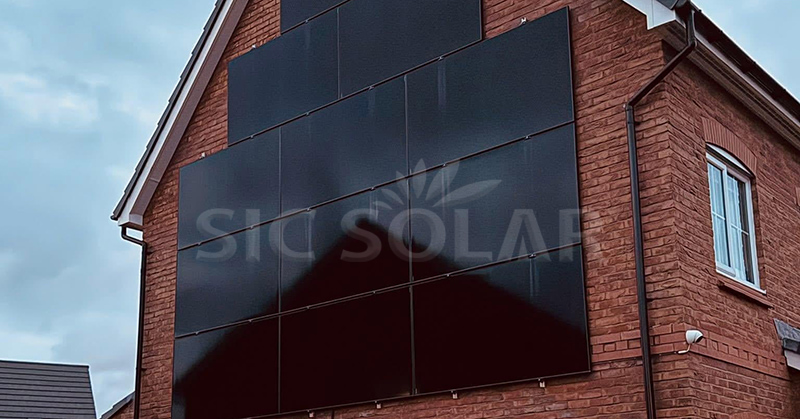
Primero, hablemos de la resistencia de la fachada. Imagina el peso adicional de los paneles solares, por no mencionar las fuerzas del viento, la lluvia y las fluctuaciones de temperatura. Los muros de hormigón, la mampostería resistente y los sistemas de muros cortina bien diseñados son tus mejores aliados cuando se trata de fijar paneles solares de forma segura. Pero si la fachada es ligera o muestra signos de envejecimiento, podría necesitar un poco de refuerzo antes de siquiera pensar en la instalación.
Y luego está la orientación: ¡oh, el punto ideal de la luz solar! En el hemisferio norte, las fachadas orientadas al sur se bañan en la gloria del sol, absorbiendo los rayos como una esponja. Las superficies orientadas al este y al oeste aún pueden captar algo de energía durante esas doradas horas de la mañana y la tarde. Pero cuidado con las fachadas orientadas al norte; podrían no ser los campeones energéticos que esperas. Un análisis solar exhaustivo es imprescindible antes de elegir el lugar de instalación.
Ahora, no olvidemos los materiales involucrados. Las diferentes fachadas requieren distintas estrategias de montaje. ¿Hormigón y mampostería? Normalmente funcionan bien con anclajes mecánicos o químicos. Las fachadas metálicas, por otro lado, podrían necesitar soportes especializados para conectarse con la estructura del edificio. ¿Y esos muros cortina de vidrio? Requieren un cuidado delicado: la ingeniería debe garantizar que el montaje no afecte al rendimiento de la fachada.
La carga del viento, vaya, es un factor importante para los sistemas solares verticales. Cuando los vientos soplan con fuerza, los paneles montados en fachadas pueden sufrir impactos, especialmente en edificios altos o en las esquinas. Los ingenieros deben calcular las cargas de viento locales, determinando la separación entre soportes y la resistencia que deben tener los anclajes.
No pasemos por alto la estética. Los sistemas de fachadas solares pueden ser un lienzo para la creatividad: diferentes tamaños, colores, orientaciones y disposiciones de paneles pueden integrarse armoniosamente en el diseño arquitectónico. No se trata solo de generar energía; se trata de transmitir un mensaje.
La instalación y el acceso para el mantenimiento son los héroes silenciosos de los sistemas de fachadas solares. El diseño debe permitir un montaje, una inspección, una limpieza y un reemplazo de paneles seguros. Y no olvidemos el tendido de cables y el drenaje: nadie quiere que el agua se acumule y arruine el atractivo resistente a la intemperie de la fachada.
Empresas como SIC Solar están dando un paso adelante, ofreciendo soluciones de montaje personalizadas para diversos tipos de edificios y estilos arquitectónicos. Sus sistemas cuentan con materiales duraderos y configuraciones flexibles, garantizando que las instalaciones fotovoltaicas no solo sean fiables, sino que también se integren perfectamente en las superficies verticales.
Sin embargo, antes de dejarte llevar demasiado, recuerda comprobar las normativas de construcción y las normas de seguridad contra incendios. Los códigos locales pueden determinar desde los materiales de la fachada hasta las cargas estructurales y el acceso de emergencia. El cumplimiento no es solo una casilla que marcar; es fundamental, especialmente para proyectos comerciales y de gran altura.
Así que, en resumen: los sistemas de fachadas solares no son una solución universal para todos los edificios. Una instalación exitosa depende de un examen cuidadoso de la capacidad estructural, los materiales de la fachada, la orientación, las condiciones de viento, la accesibilidad y las leyes locales. Cuando todos estos elementos se alinean, esas superficies verticales pueden transformarse de simples paredes en vibrantes contribuyentes a la generación de energía renovable... ¿y no es eso algo digno de contemplar?





 IPv6 Red compatible
 español
  English
 Deutsch
 português
 Nederlands
 العربية
 日本語
日本語 한국의
한국의 Melayu
 Tiếng việt