
¿Qué estás buscando?

Sistemas solares para balcones se están volviendo cada vez más atractivos para los habitantes de apartamentos y propietarios urbanos que desean aprovechar la energía renovable sin la necesidad de un gran tejado. Sin embargo, el espacio restringido y la naturaleza vertical de los balcones pueden plantear desafíos para lograr una exposición solar óptima. Aquí es donde los ángulos de inclinación ajustables resultan invaluables.
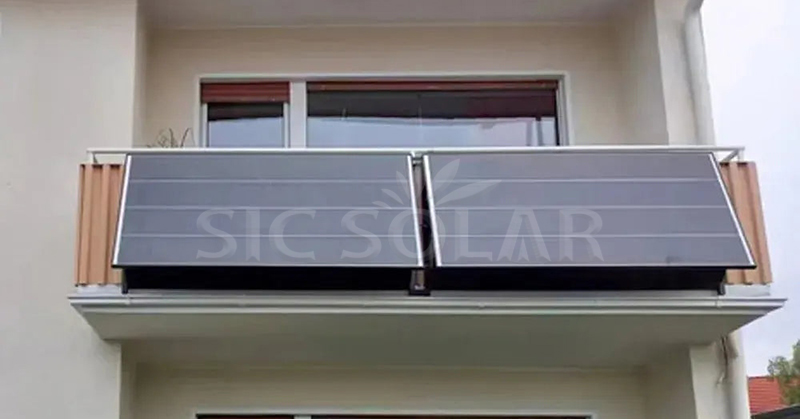
El ángulo de inclinación es crucial, ya que determina la incidencia directa de la luz solar sobre la superficie de un panel solar. Aunque un panel fijo puede funcionar bien durante ciertos momentos del año, la posición cambiante del sol a lo largo de las estaciones puede afectar su eficiencia. Un sistema de montaje ajustable para balcones permite modificar el ángulo del panel según las condiciones locales, mejorando la exposición solar durante todo el año.
Una ventaja principal de los soportes ajustables es la mejora en la generación de energía. Los paneles colocados en un ángulo óptimo pueden aprovechar más luz solar directa, aumentando potencialmente la producción de electricidad. Esta característica es especialmente ventajosa para los balcones orientados al este o al oeste, donde ajustar con precisión la posición del panel puede ayudar a compensar una orientación poco favorable.
La capacidad de ajuste también puede adaptarse a diversos diseños de balcones. Los balcones difieren en la altura de la barandilla, la profundidad, la orientación y el espacio disponible para la instalación. Una estructura de montaje flexible puede adaptarse a estas variaciones sin requerir un sistema de soporte totalmente personalizado. Los instaladores pueden ajustar las posiciones de los paneles para evitar sombras de paredes cercanas, barandillas u otros obstáculos.
También deben tenerse en cuenta las condiciones del viento. Un ángulo de inclinación mayor aumenta el área de superficie expuesta al viento, lo que puede elevar las fuerzas de sustentación. En zonas con vientos fuertes, el sistema de montaje debe garantizar un ángulo adecuado mientras permanece fijado de forma segura a la barandilla, pared u otro punto de anclaje estructural. La elección del soporte y del método de conexión debe ajustarse a las cargas de viento locales y a las normas de construcción.
Los ángulos de inclinación ajustables también facilitan un mantenimiento más sencillo. Dependiendo del diseño del soporte, los instaladores pueden recolocar los paneles para su limpieza o inspección. Esta flexibilidad es especialmente ventajosa cuando el espacio del balcón es limitado, lo que dificulta el acceso en comparación con los tejados tradicionales.
La calidad de la estructura de montaje es crucial. El aluminio se utiliza comúnmente para los soportes solares de balcones debido a su naturaleza ligera y resistencia a la corrosión. Los sujetadores de acero inoxidable mejoran la durabilidad, especialmente en zonas húmedas o costeras donde los componentes están expuestos a la humedad y la lluvia.
Fabricantes como SIC Solar se especializan en sistemas de montaje fotovoltaico y ofrecen soluciones diseñadas para instalaciones flexibles en balcones. Las estructuras ajustables se adaptan a diversas orientaciones de paneles y configuraciones de balcones, al tiempo que proporcionan un soporte estable para un uso prolongado en exteriores.
Al elegir un sistema de montaje ajustable para balcones, tanto los instaladores como los usuarios deben evaluar factores como el rango de ajuste, las dimensiones de los paneles, la compatibilidad con barandillas o paredes, la carga de viento, la calidad de los materiales y el método de instalación. Es importante que la estructura cumpla con las normativas locales de construcción y eléctricas.
En entornos urbanos donde cada superficie cuenta para las aplicaciones solares, la tecnología de inclinación ajustable ofrece una valiosa adaptabilidad. Al permitir un posicionamiento preciso de los paneles según la disponibilidad de luz solar, la orientación del balcón y las condiciones ambientales, un sistema de montaje ajustable puede maximizar la productividad de espacios de balcón limitados para la generación de energía solar.





 IPv6 Red compatible
 español
  English
 Deutsch
 português
 Nederlands
 العربية
 日本語
日本語 한국의
한국의 Melayu
 Tiếng việt