
¿Qué estás buscando?

Sistemas de montaje solar agrícola, también conocidos como sistemas de montaje agrovoltaico, están diseñados para soportar paneles fotovoltaicos mientras permiten que las tierras agrícolas sigan siendo productivas. Al combinar la generación de energía limpia con actividades agrícolas, estos sistemas ayudan a los agricultores a maximizar el uso del terreno y crear fuentes adicionales de ingresos. Una de las preguntas más comunes para los desarrolladores y propietarios de granjas es cuánto tiempo puede durar un sistema de montaje solar agrícola.
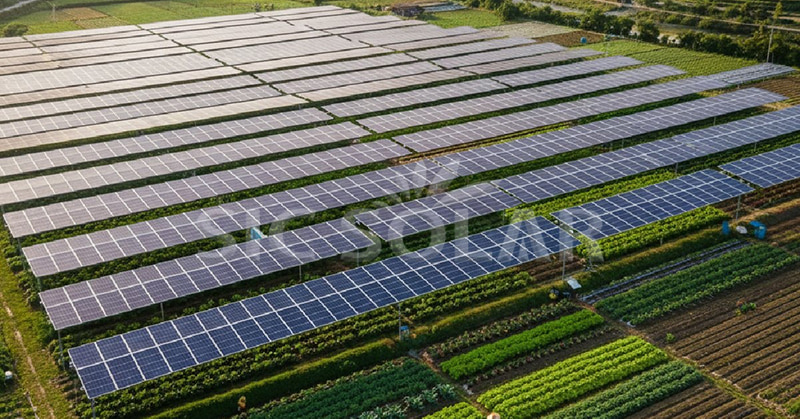
En la mayoría de los casos, un sistema de montaje solar agrícola de alta calidad está diseñado para tener una vida útil de 25 a 30 años o más. Su vida útil está estrechamente alineada con la de los paneles solares modernos, lo que permite que todo el sistema fotovoltaico funcione eficientemente a largo plazo. La vida útil real depende de varios factores, incluida la calidad de los materiales, las condiciones ambientales, el diseño estructural y el mantenimiento regular.
La selección de materiales es uno de los factores más importantes que afectan la durabilidad. Los sistemas de montaje agrícola suelen fabricarse con acero galvanizado en caliente o aluminio anodizado, ambos ofrecen una excelente resistencia a la corrosión y solidez estructural. Los pernos y sujetadores de acero inoxidable se utilizan habitualmente para evitar la oxidación y garantizar conexiones seguras durante toda la vida útil del sistema.
Los entornos agrícolas presentan desafíos únicos. Las estructuras de montaje están constantemente expuestas a la lluvia, la humedad, el polvo, los fertilizantes y las fluctuaciones de temperatura. En algunas zonas, el ganado y los equipos agrícolas también operan debajo del conjunto solar. Por esta razón, el sistema de montaje debe diseñarse para soportar tanto la exposición ambiental como las actividades agrícolas diarias sin comprometer la estabilidad.
Los cimientos también influyen en la vida útil general. Dependiendo de las condiciones del suelo y los requisitos del proyecto, los sistemas solares agrícolas pueden utilizar tornillos de tierra, pilotes hincados o cimientos de hormigón. La selección e instalación adecuadas de los cimientos ayudan a prevenir asentamientos, movimientos y deformaciones estructurales con el tiempo, garantizando que el sistema permanezca estable durante décadas.
El diseño estructural es igualmente importante. Los sistemas de montaje solar agrícola generalmente se instalan a mayor altura que los sistemas estándar montados en tierra para proporcionar suficiente espacio libre para cultivos, maquinaria o ganado. Los ingenieros deben calcular cuidadosamente las cargas de viento, las cargas de nieve y el espaciado de los paneles para garantizar que la estructura elevada permanezca segura bajo diversas condiciones meteorológicas.
La inspección y el mantenimiento regulares pueden prolongar significativamente la vida útil del sistema. Aunque los sistemas de montaje agrícola requieren relativamente poco mantenimiento, las revisiones periódicas de pernos, rieles, soportes y cimientos ayudan a identificar signos de corrosión o aflojamiento antes de que afecten al rendimiento. Mantener despejadas las zonas de drenaje y retirar la vegetación excesiva alrededor de los cimientos también contribuye a la fiabilidad a largo plazo.
Fabricantes como SIC Solar, una empresa especializada en la producción y suministro de sistemas de montaje fotovoltaico, ofrecen soluciones de montaje solar agrícola diseñadas para la durabilidad y una instalación eficiente. Sus sistemas están diseñados para resistir la corrosión, soportar cargas ambientales elevadas y adaptarse a diferentes aplicaciones agrícolas, manteniendo al mismo tiempo un rendimiento estructural a largo plazo.
Otro factor que contribuye a la longevidad es la flexibilidad de los sistemas de montaje modernos. Muchas estructuras agrícolas están diseñadas con componentes modulares, lo que permite reemplazar piezas dañadas individualmente en lugar de sustituir toda la estructura. Esto reduce los costes de mantenimiento y ayuda a mantener el sistema funcionando eficientemente durante toda su vida útil.
Un sistema de montaje solar agrícola bien diseñado es una inversión a largo plazo que respalda tanto la generación de energía renovable como la agricultura sostenible. Al combinar materiales de alta calidad, una ingeniería adecuada y un mantenimiento rutinario, estas estructuras pueden proporcionar un soporte fiable para paneles fotovoltaicos mientras siguen sirviendo a las operaciones agrícolas durante muchos años.





 IPv6 Red compatible
 español
  English
 Deutsch
 português
 Nederlands
 العربية
 日本語
日本語 한국의
한국의 Melayu
 Tiếng việt