
¿Qué estás buscando?

A gran escala proyectos solares montados en tierra Se requiere una planificación minuciosa mucho antes de que comience la construcción. Un sistema bien diseñado puede maximizar la producción de energía, reducir los costos de instalación y garantizar la fiabilidad a largo plazo. Para lograr estos objetivos, los desarrolladores deben evaluar diversos factores técnicos, ambientales y económicos durante la etapa de diseño.
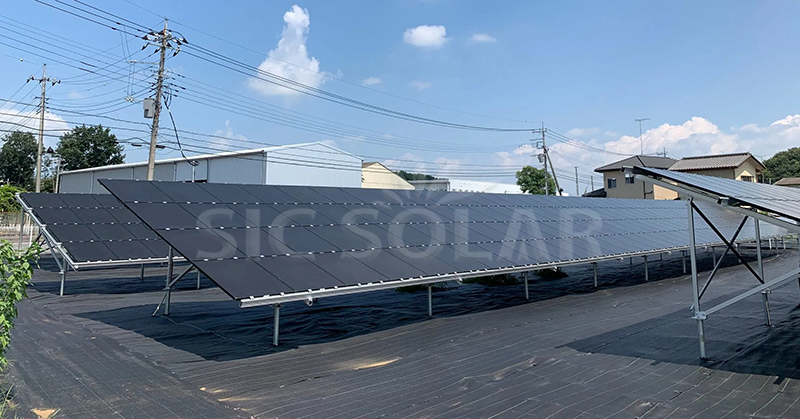
Una de las primeras consideraciones es la selección del emplazamiento. El terreno disponible debe recibir suficiente luz solar durante todo el año, con mínima sombra proveniente de árboles, edificios o el terreno circundante. El tamaño y la forma del terreno también influyen en la disposición general del sistema solar y en la cantidad de paneles que se pueden instalar.
Las condiciones del suelo son otro factor crítico. Un estudio geotécnico ayuda a determinar la capacidad portante, la composición y la estabilidad del suelo. Esta información es esencial para seleccionar el tipo de cimentación adecuado, ya sean tornillos de tierra, pilotes hincados o cimentaciones de hormigón. Un diseño de cimentación apropiado garantiza que la estructura de soporte permanezca segura bajo diversas condiciones climáticas.
También deben evaluarse las condiciones climáticas y ambientales. La velocidad del viento, la carga de nieve, las precipitaciones y las fluctuaciones de temperatura afectan directamente los requisitos estructurales del sistema de montaje solar. Los ingenieros utilizan estos datos para determinar la resistencia y durabilidad necesarias para las estructuras de soporte.
La disposición y orientación de los paneles solares son fundamentales para la generación de energía. El ángulo de inclinación, la distancia entre filas y la orientación del sistema deben optimizarse según la ubicación geográfica del proyecto. Una correcta separación minimiza las pérdidas por sombreado y maximiza el aprovechamiento del terreno.
Los requisitos de conexión a la red eléctrica son igualmente importantes. Los promotores deben evaluar la distancia al punto de conexión más cercano, la normativa local de servicios públicos y la capacidad de transmisión disponible. Una coordinación temprana con los proveedores de servicios públicos puede ayudar a evitar retrasos y costes inesperados durante el desarrollo del proyecto.
La viabilidad económica del proyecto debe considerarse desde el principio. Los costos de materiales, mano de obra, transporte y mantenimiento a largo plazo influyen en la rentabilidad total de la inversión. Seleccionar soluciones de montaje rentables sin comprometer la calidad es fundamental para el éxito del proyecto.
La elección del sistema de montaje puede afectar significativamente tanto la eficiencia de la instalación como el rendimiento a largo plazo. Fabricantes como SIC Solar Ofrecemos estructuras fotovoltaicas terrestres diseñadas para satisfacer las exigencias de los proyectos solares a gran escala. Nuestras soluciones de montaje están diseñadas para ofrecer durabilidad, una instalación eficiente y compatibilidad con diversas opciones de cimentación.
No se debe pasar por alto el acceso para el mantenimiento futuro. Un espacio adecuado entre las filas de paneles y vías de servicio despejadas permiten a los técnicos realizar inspecciones, limpiezas y reparaciones de manera más eficiente durante toda la vida útil del sistema.
Las normativas medioambientales y los requisitos de permisos también desempeñan un papel fundamental en la planificación de proyectos. Los promotores deben garantizar el cumplimiento de las normativas locales de uso del suelo, las políticas de protección ambiental y las normas de construcción antes de que comience la instalación.
Mediante una evaluación minuciosa de las condiciones del emplazamiento, los requisitos estructurales, los objetivos de producción de energía y los costes del proyecto, los promotores pueden crear un sistema solar terrestre que ofrezca un rendimiento fiable y un valor a largo plazo, al tiempo que facilita una ejecución eficiente del proyecto.





 IPv6 Red compatible
 español
  English
 Deutsch
 português
 Nederlands
 العربية
 日本語
日本語 한국의
한국의 Melayu
 Tiếng việt