
¿Qué estás buscando?

Sistemas de montaje solar de un solo poste Los soportes monoposte, también conocidos como estructuras fijas al suelo, están diseñados para soportar varios paneles solares en un único poste vertical. Su tamaño compacto y diseño flexible los convierten en una opción interesante tanto para aplicaciones residenciales como comerciales. Sin embargo, su idoneidad depende de los requisitos específicos del proyecto y las condiciones del terreno.
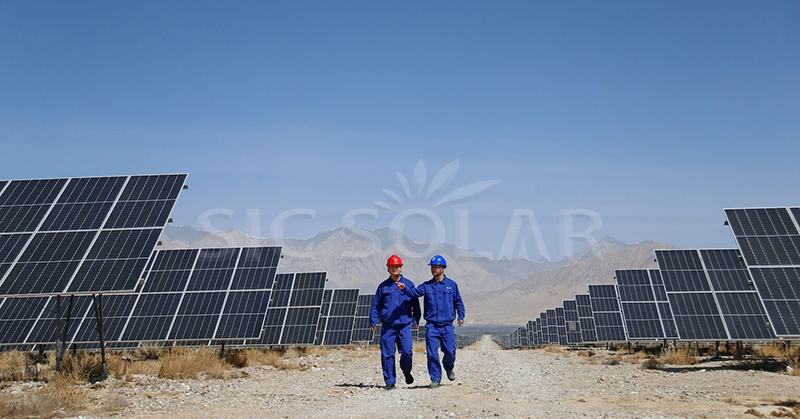
Para uso residencial, los sistemas de un solo poste pueden ser una solución práctica cuando la instalación en el techo no es ideal. Los propietarios con espacio limitado en el techo, una mala orientación del mismo o problemas de sombra pueden optar por una alternativa montada en el suelo. Un sistema de un solo poste requiere menos superficie que las estructuras tradicionales de varios postes, lo que lo hace adecuado para patios pequeños o propiedades con espacio limitado. Además, estos sistemas suelen permitir ángulos de inclinación ajustables, lo que permite a los usuarios optimizar la posición de los paneles solares para una mejor generación de energía.
Otra ventaja para aplicaciones residenciales es la facilidad de mantenimiento. Dado que los paneles se instalan a nivel del suelo, la limpieza e inspección son más sencillas que en los sistemas de azotea. Esto contribuye a mantener la eficiencia a lo largo del tiempo sin necesidad de equipos especializados para el acceso. Sin embargo, los propietarios también deben tener en cuenta la normativa local, la estética y la posible sombra que puedan proyectar estructuras o vegetación cercanas.
Para uso comercial, los sistemas de montaje de un solo poste se suelen aplicar en escenarios específicos, en lugar de en instalaciones a gran escala. Se utilizan habitualmente en pequeños proyectos comerciales, instalaciones remotas o zonas donde la flexibilidad y la rapidez de instalación son importantes. Su diseño permite un uso eficiente del espacio y puede resultar especialmente útil para proyectos que no requieren grandes conjuntos de paneles solares.
En algunos casos, los sistemas de un solo poste también se utilizan en aplicaciones como iluminación solar, instalaciones agrícolas o sistemas aislados de la red eléctrica. Su estructura elevada proporciona suficiente espacio libre para ciertas actividades en tierra, lo que los hace adaptables a diferentes entornos. Sin embargo, para grandes parques solares comerciales, generalmente se prefieren los sistemas de múltiples postes o de seguimiento debido a su capacidad para soportar conjuntos de paneles más grandes de manera más eficiente.
La estabilidad estructural es un factor importante a considerar. Dado que toda la carga recae sobre un solo poste, la cimentación debe ser lo suficientemente resistente para soportar el viento y las fuerzas ambientales. Un diseño de ingeniería adecuado y la selección de la cimentación —como tornillos de anclaje o bases de hormigón— son esenciales para garantizar la fiabilidad a largo plazo.
La calidad del material y el diseño del sistema también juegan un papel clave en el rendimiento. Los componentes de acero o aluminio de alta resistencia se utilizan normalmente para proporcionar durabilidad y resistencia a la corrosión. Fabricantes como SIC Solar Ofrecen soluciones de montaje adaptables a diferentes aplicaciones, incluyendo sistemas de un solo poste. Sus diseños priorizan la integridad estructural, la facilidad de instalación y la compatibilidad con diversos paneles solares.
Los requisitos de instalación pueden variar según el proyecto. Si bien los sistemas de un solo poste suelen ser más rápidos de instalar que las estructuras más complejas, la alineación precisa y una base sólida son fundamentales. La instalación profesional garantiza que el sistema funcione de forma segura y eficiente a lo largo del tiempo.
Los sistemas de montaje solar de un solo poste ofrecen un equilibrio entre eficiencia espacial y flexibilidad, lo que los hace adecuados para ciertas aplicaciones residenciales y comerciales. Su adaptabilidad permite satisfacer diversas necesidades de proyecto, siempre que se tengan en cuenta las consideraciones de diseño e ingeniería pertinentes.





 IPv6 Red compatible
 español
  English
 Deutsch
 português
 Nederlands
 العربية
 日本語
日本語 한국의
한국의 Melayu
 Tiếng việt